Why Washing Your Car the Right Way Matters
Washing your car isn’t just about keeping it clean—it’s about protecting your paint, preserving value, and maintaining that showroom shine.
Improper washing techniques can:
- Cause swirl marks and scratches
- Damage your clear coat
- Leave behind water spots and residue
A professional wash method ensures your vehicle stays in top condition while enhancing its appearance.
What You Need to Wash Your Car Like a Pro
Before you start, gather the right tools. Professionals never cut corners here.
Essential Supplies:
- Two buckets (one for soap, one for rinsing)
- pH-balanced car wash soap
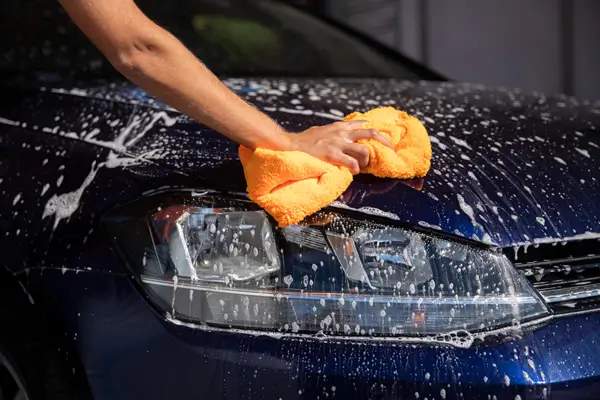
- Microfiber wash mitt
- Soft wheel brush
- Microfiber drying towels
- Hose with spray nozzle or pressure washer
Step 1: Rinse Your Car Thoroughly
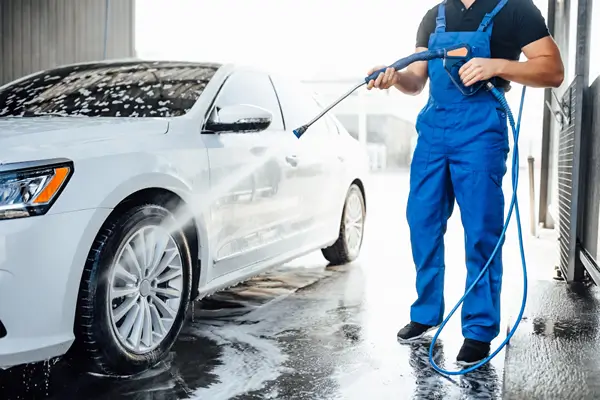
Start by rinsing off loose dirt and debris.
Why this matters:
Skipping this step can grind dirt into your paint, causing scratches.
👉 Pro Tip: Always wash your car in the shade to prevent water spots.
Step 2: Use the Two-Bucket Method
Fill one bucket with soapy water and the other with clean rinse water.
How it works:
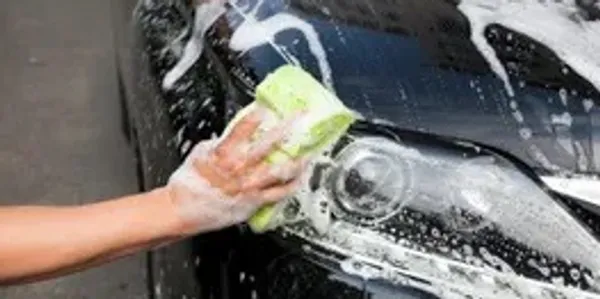
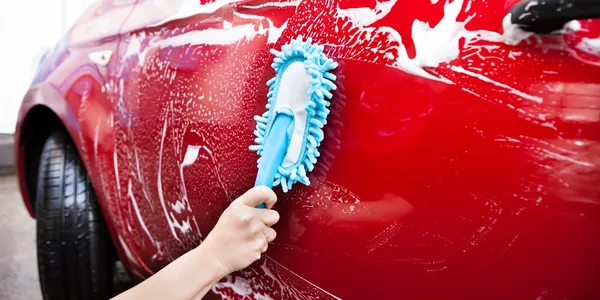
- Dip your mitt in the soap bucket
- Wash a section of the car
- Rinse the mitt in the clean water bucket
- Repeat
This prevents dirt from going back onto your paint.
Step 3: Wash from Top to Bottom
Always start with the cleanest areas (roof, windows) and work your way down.
Order:
- Roof
- Windows
- Hood & trunk
- Upper panels
- Lower panels (dirtiest)
👉 Pro Tip: Use straight-line motions instead of circles to reduce swirl marks.
Step 4: Clean the Wheels Separately
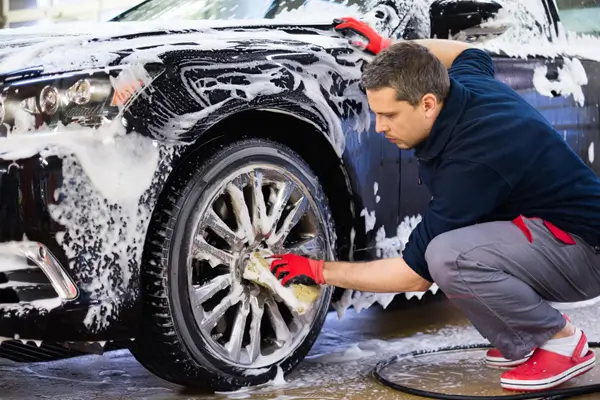
Wheels are the dirtiest part of your car.
- Use a separate bucket and brush
- Clean wheels last (or first, if heavily soiled)
- Use a dedicated wheel cleaner
This avoids contaminating your paint with brake dust.
Step 5: Rinse Again Thoroughly
Remove all soap residue completely.
👉 Pro Tip: Use a gentle stream of water to create a “sheeting effect,” which helps reduce drying time.
Step 6: Dry with Microfiber Towels
Never air dry your car—it causes water spots.
Best method:
- Use clean microfiber towels
- Pat dry or drag gently across the surface
👉 Pro Tip: A drying aid spray can add extra shine and lubrication.
Bonus: Add Protection for a Professional Finish
After washing, consider adding protection:
- Spray wax for quick shine
- Sealant for longer protection
- Ceramic coating for maximum durability
This step enhances gloss and keeps your car cleaner for longer.

Common Car Washing Mistakes to Avoid
- ❌ Using dish soap (strips wax)
- ❌ Washing in direct sunlight
- ❌ Using one bucket only
- ❌ Reusing dirty towels
- ❌ Skipping the drying step
Avoiding these mistakes makes a huge difference in your final results.
How Often Should You Wash Your Car?
For best results:
- Every 1–2 weeks for daily drivers
- More often in winter or pollen season
Regular washing prevents buildup that can damage your paint.
When to Leave It to the Professionals
Even with the best technique, some situations call for expert care:
- Paint correction (removing scratches/swirl marks)
- Ceramic coating installation
- Deep interior + exterior detailing
A professional detail can restore your car to like-new condition.
Final Thoughts
Washing your car like a professional isn’t complicated—it just requires the right tools, proper technique, and attention to detail.
Follow these steps and you’ll:
✔ Protect your paint
✔ Avoid costly damage
✔ Keep your car looking showroom-ready

FAQs
Q: Can I wash my car with dish soap?
No, dish soap removes protective wax and can damage your paint over time.
Q: What is the best towel for drying a car?
Microfiber towels are best because they are soft, absorbent, and reduce scratching.
Q: Is automatic car wash bad for your car?
Some can cause scratches, especially those with brushes. Touchless washes are safer but less thorough.
Q: How do I avoid swirl marks?
Use the two-bucket method, microfiber mitts, and straight-line washing motions.